
Start from the use, not the catalog
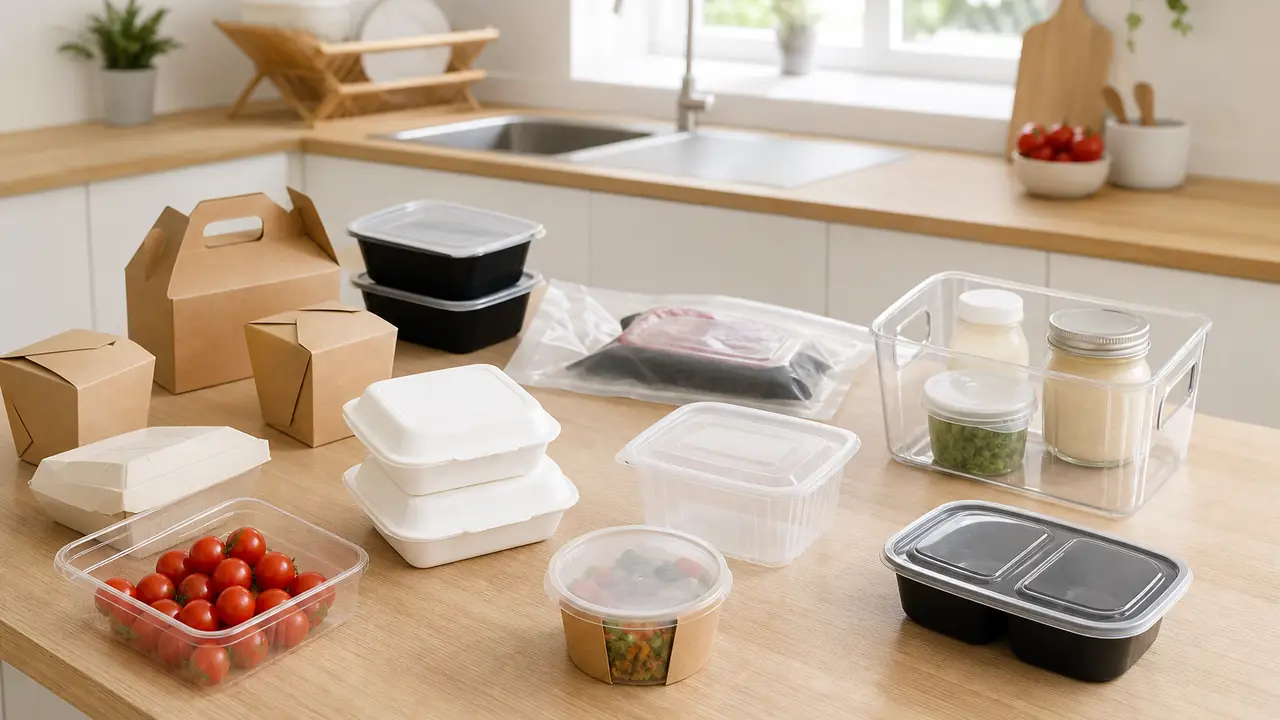
A 750 ml box on a catalog page tells a buyer its size and nothing about whether it will work. The same box behaves differently in a delivery bag on a scooter, in a freezer for two weeks, in a chilled supermarket display or stacked eight high in a wardrobe. Most returns and complaints in this category trace back to one mistake: a container chosen for its look and price, not for the conditions it has to survive. The desk therefore starts every brief with the use case and works backwards to material, process, lid and test plan.
The six scenario pages below cover the settings that account for most container and storage programs. Each one sets out the stresses the container meets, the lines and materials that fit, real reference sizes from partner plants or public listings, the checks the desk agrees per order and the documents buyers in that channel usually need.
Six scenarios at a glance
| Scenario | Main stresses | Usual lines | Usual material |
|---|---|---|---|
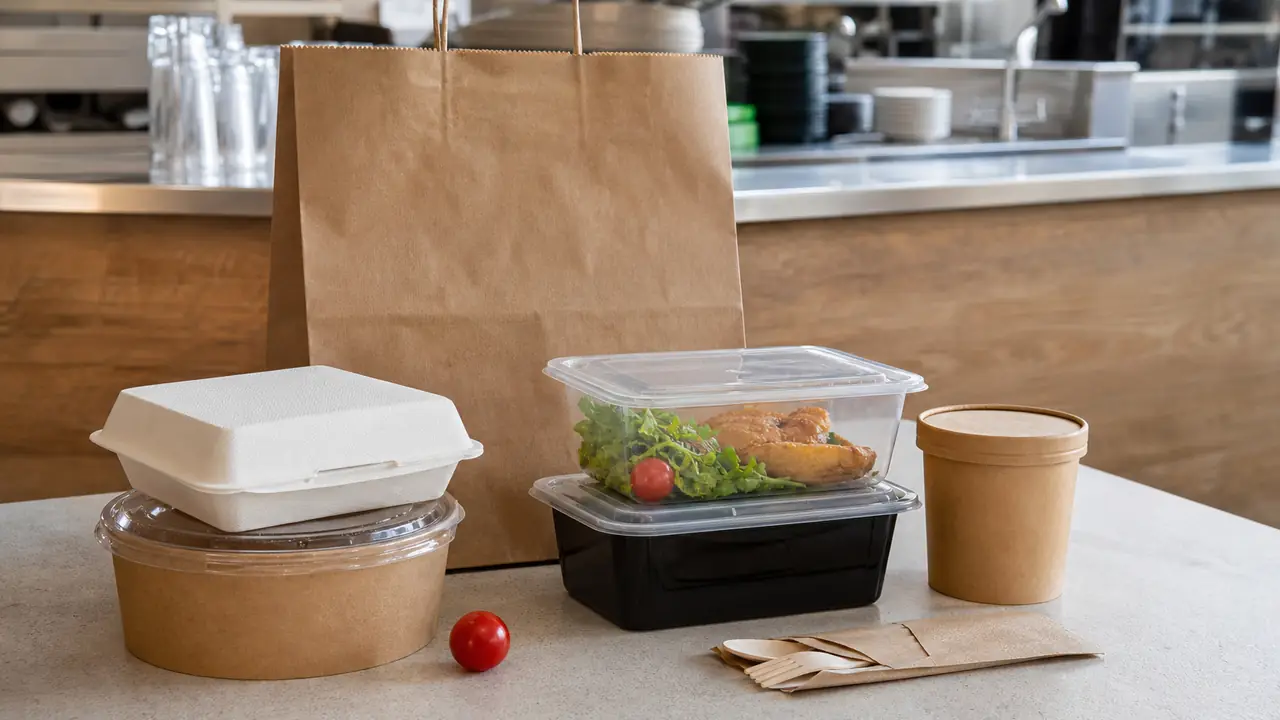
| Restaurant takeout | Hot food, sauce, transport, stacking in bags | PP containers, starch-based, paper boxes, cutlery | PP, starch-PP blend, kraft |
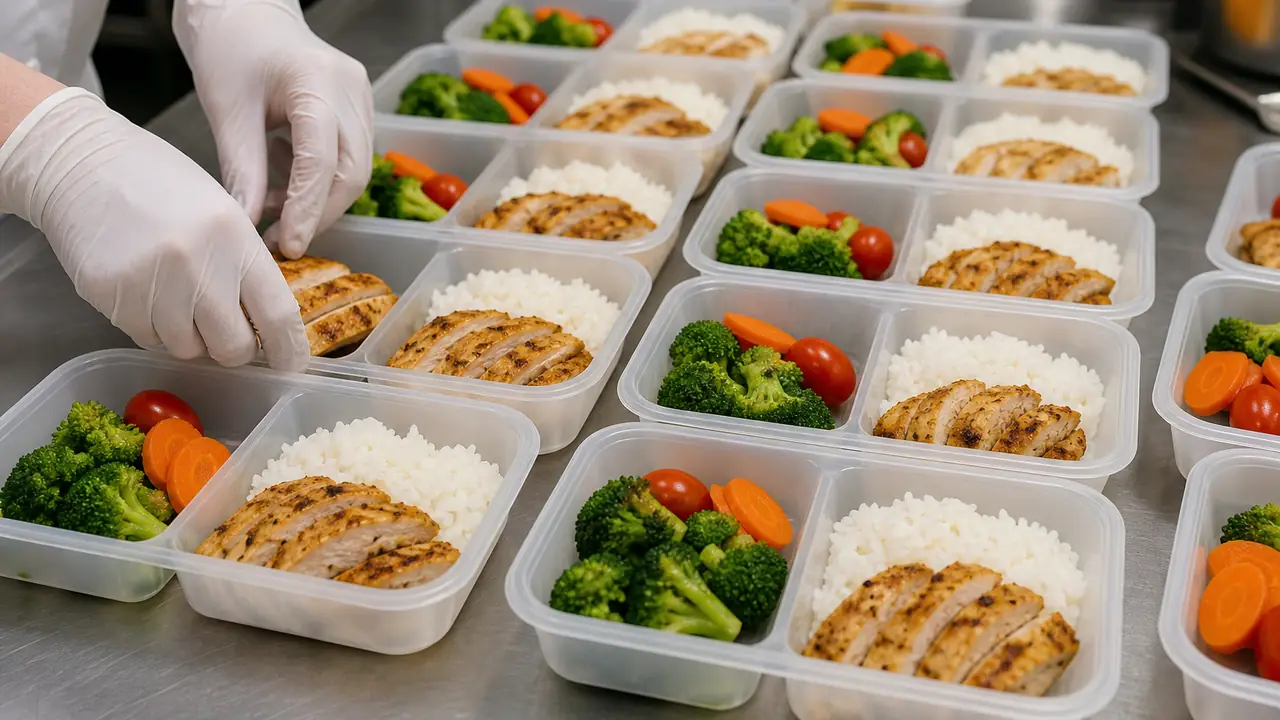
| Meal prep and delivery | Freezing, reheating, condensation, stacking | PP containers, divided trays | PP |
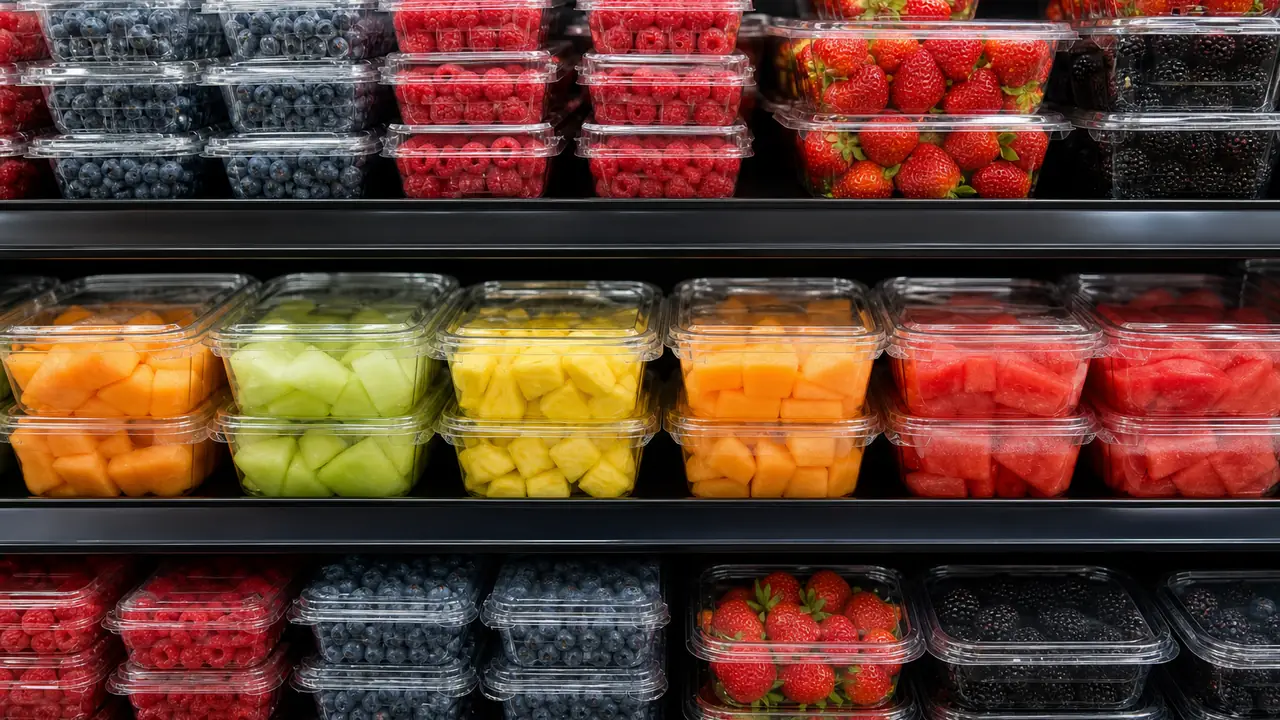
| Supermarket produce | Chilled display, condensation, clarity, stacking | Divided fruit containers, clamshells | PET for cold, PP where reheated |
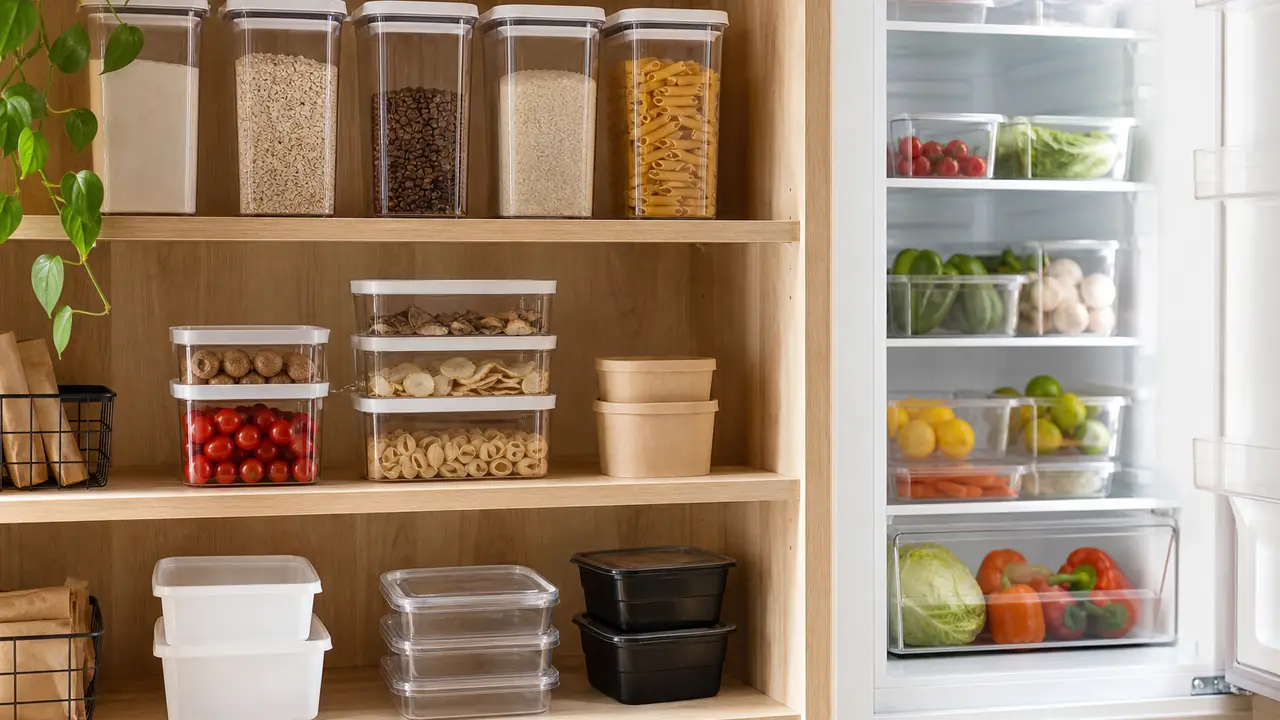
| Home kitchen | Repeated use, freezer, washing, seal | Vacuum containers, fridge bins | PP, copolyester, PET |
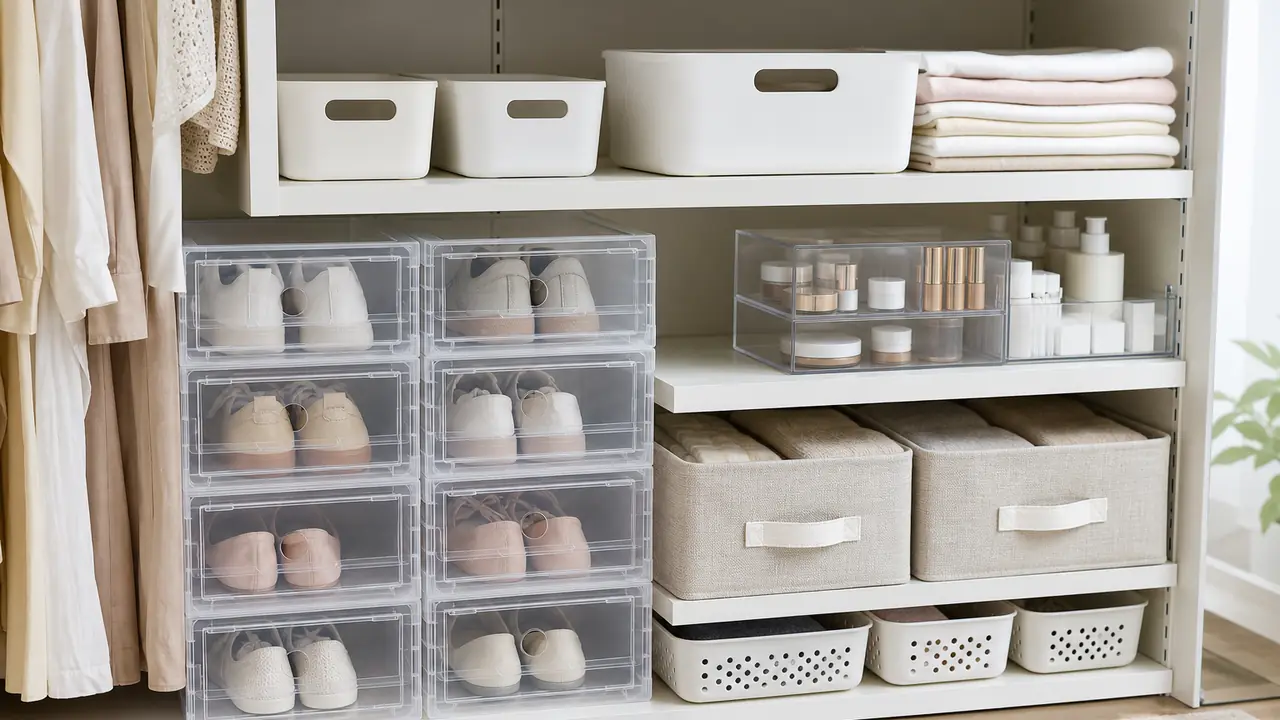
| Home organization | Stacking load, clarity, folding, shelf fit | Collapsible, shoe, cosmetic, desk boxes | PP, PET, PS, acrylic, PVC for soft packs |
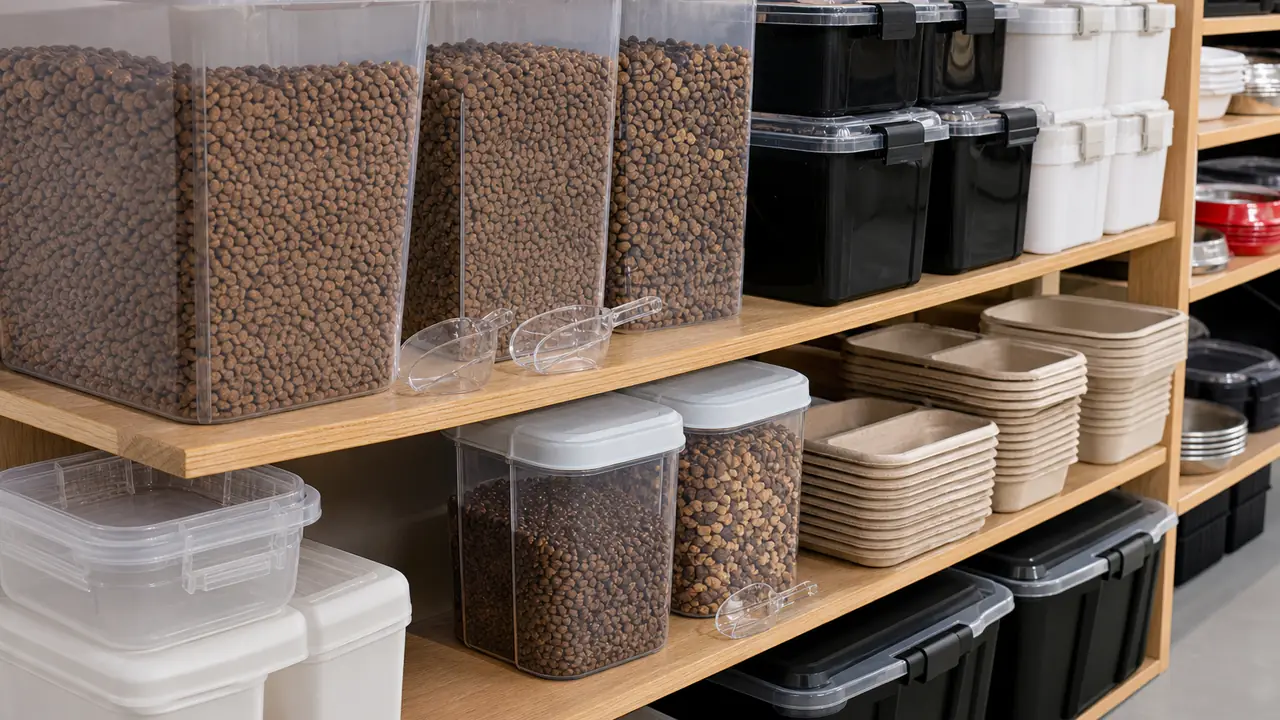
| Pet retail | Seal against air and pests, weight, scooping | Pet food storage containers | PP or HDPE |
Food contact scenarios: heat, cold and transport
Restaurant takeout and meal prep and delivery are hot-food settings, so the container and its lid are PP, resin code 5. Microwave use is stated per supplier marking, with the lid removed or vented where marked, and checked in a heating test on the sample. Supermarket produce is a cold setting where clarity sells the fruit, so PET is usual, with PP only where a box is heated or reused. In none of these settings is PVC used as a food container; it appears only as a window on a paper box or in non-heated packaging.
Home and retail scenarios: load, seal and shelf fit
Home kitchen containers are bought to last through many washes and freezer cycles, so the seal, lid hinge and clarity after washing matter more than gram weight. Home organization boxes carry stacking loads and must fit real shelves, wardrobes and drawers, which makes exact inner and outer dimensions the main selling point on a listing. Pet retail bins hold heavy bags of kibble and are judged on the seal, the wheels and how easily a scoop reaches the bottom.
Tests that follow the use
The checks the desk agrees per order come from one list and are selected by scenario: size and gram weight, lid fit and opening force, tilt and inversion with liquid, drop, opening after freezing at -18 degrees C, microwave heating per marking, hot water per supplier rating, odour, third-party migration tests, burst and edge compression for paper boxes, print adhesion and rub, and carton stacking. The number of samples and pass criteria are a stated working default, confirmed per order. Containers are described as leak-resistant in that standard tilt test, never with an absolute claim. See testing and inspection for the full method list.
Documents by channel
Food contact items for the United States are usually covered by a supplier declaration to FDA 21 CFR 177.1520 for PP and PE; for the European Union by a declaration of compliance to Regulation 1935/2004 and Regulation (EU) 10/2011 with a migration report; for China by GB 4806.7-2023. Storage and organizer lines that do not touch food are covered by material declarations and product safety checks agreed with the buyer. Declarations and reports are issued to partner plants or to your brand per project and verified by the desk; the compliance guide explains what to ask for.
How to brief a scenario
- Name the scenario and the foods or items the container will hold.
- State how it will be used: hot, chilled, frozen, reheated, stacked, shipped.
- Give the destination market so the documents can be matched.
- Add sizes or shelf dimensions where you have them.
- Give annual volume and whether print or a custom mold is needed.
Send the brief through the quote form. Typical starting quantities are a few mixed cartons from stock molds, 10,000-50,000 pieces per item for printed lids and 1,000-3,000 pieces per item for storage boxes, all confirmed in writing for each program.