
Why programs differ by channel
Food containers and storage boxes are simple objects with complicated buying conditions. A restaurant group cares about heat use, stacking in a delivery bag and an unbroken supply of the same lid. A marketplace seller cares about the size printed on the listing, a carton that survives a fulfilment centre and the documents a platform may ask for. A retailer cares about shelf packaging, barcodes and how a range looks on a bay. A brand owner wants its own mold and printed lids. The material, the line and the quantity follow from the channel, so the desk organises its work as eight buyer programs rather than one catalog.
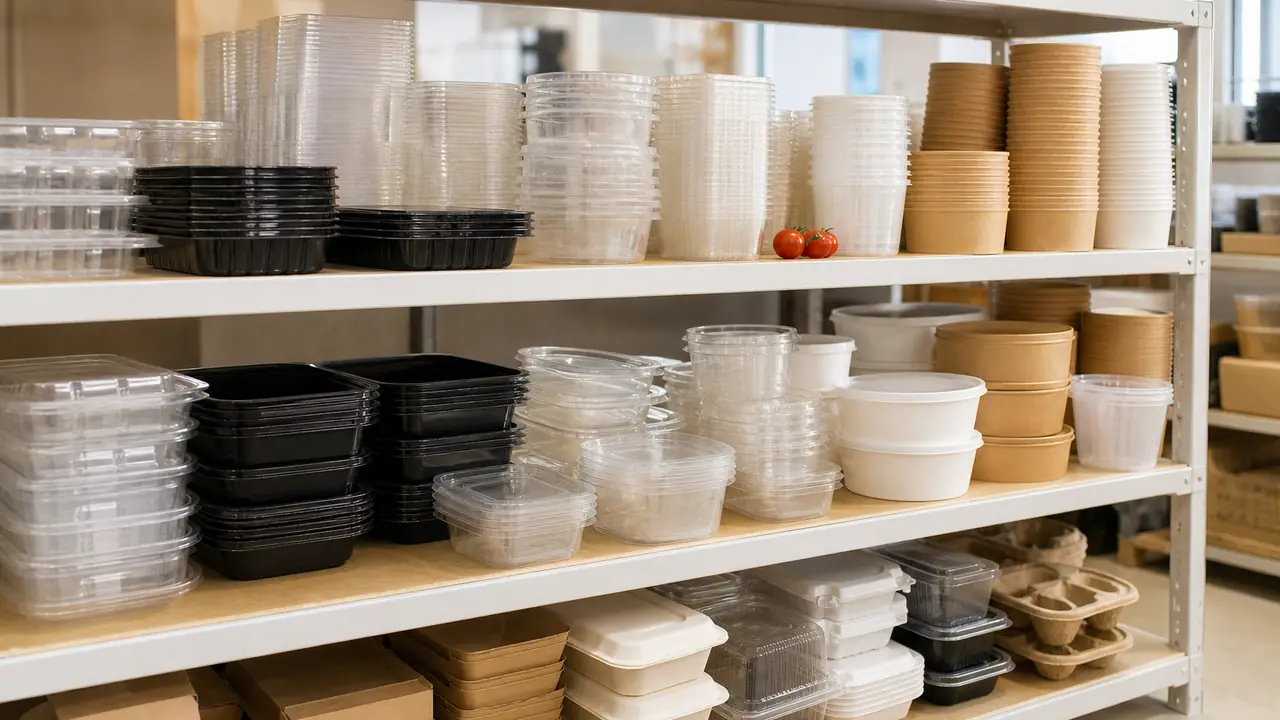
Each program uses the same building blocks: the twelve product lines with real reference models from partner plants, the material rules that keep PP for heat, PET for clear cold display and PVC only for non-heated packaging and storage, and the typical MOQ and lead time ranges that are confirmed in writing for every program. What changes is the order in which they are decided and the checks that matter most.
The eight programs at a glance
| Program | Main pain points | Recommended lines |
|---|---|---|
| Brand owners | Own mold and look, material proof, unified print and packing | PP food containers, vacuum containers, cosmetic organizers |
| DTC brands | Set building, unboxing, returns from loose lids or cracks | Vacuum containers, fridge bins, desk organizers |
| Marketplace sellers | Many SKUs in small lots, accurate sizes, crush-resistant packing, documents | Shoe boxes, fridge bins, collapsible boxes |
| Distributors | Complete size series, steady replenishment, batch consistency | All twelve lines |
| Wholesalers | Stock depth, mixed cartons, pack counts | PP food containers, cutlery sets, folding gift boxes |
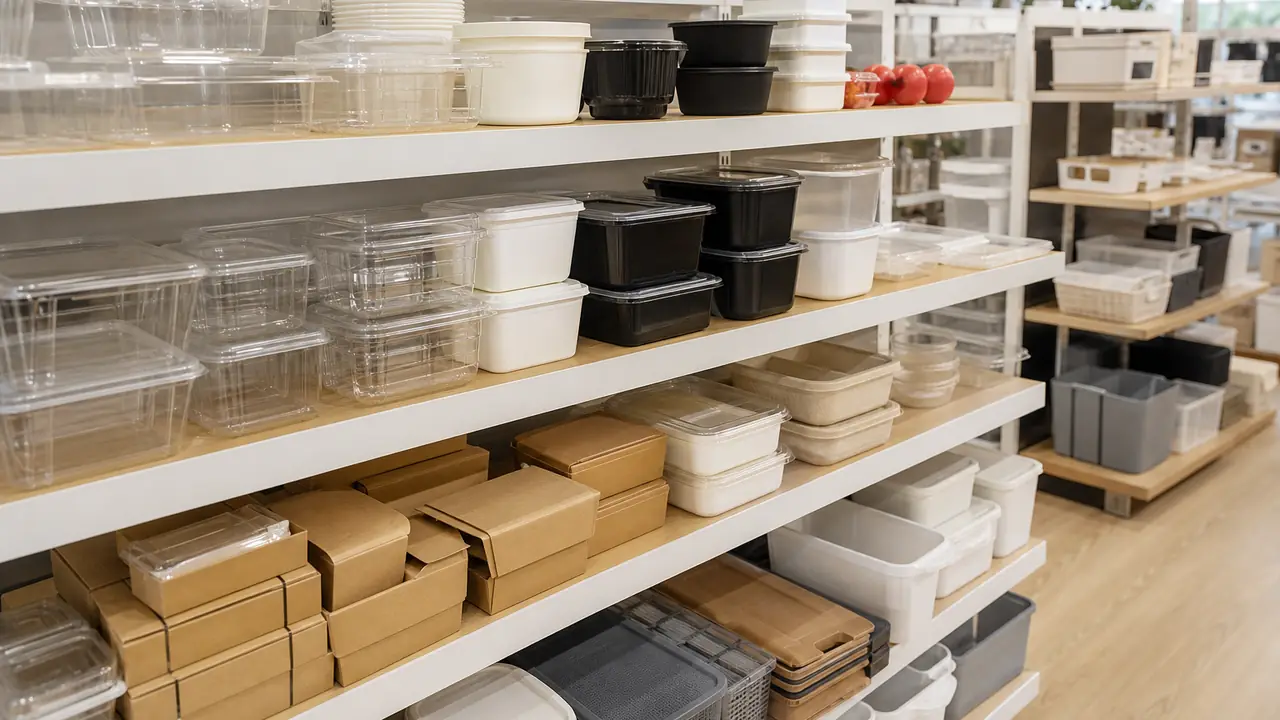
| Retailers | Shelf packaging, barcodes, display | Storage and organizer lines |
| Sourcing agents | Audits and inspection, document packs, consolidation | All twelve lines |
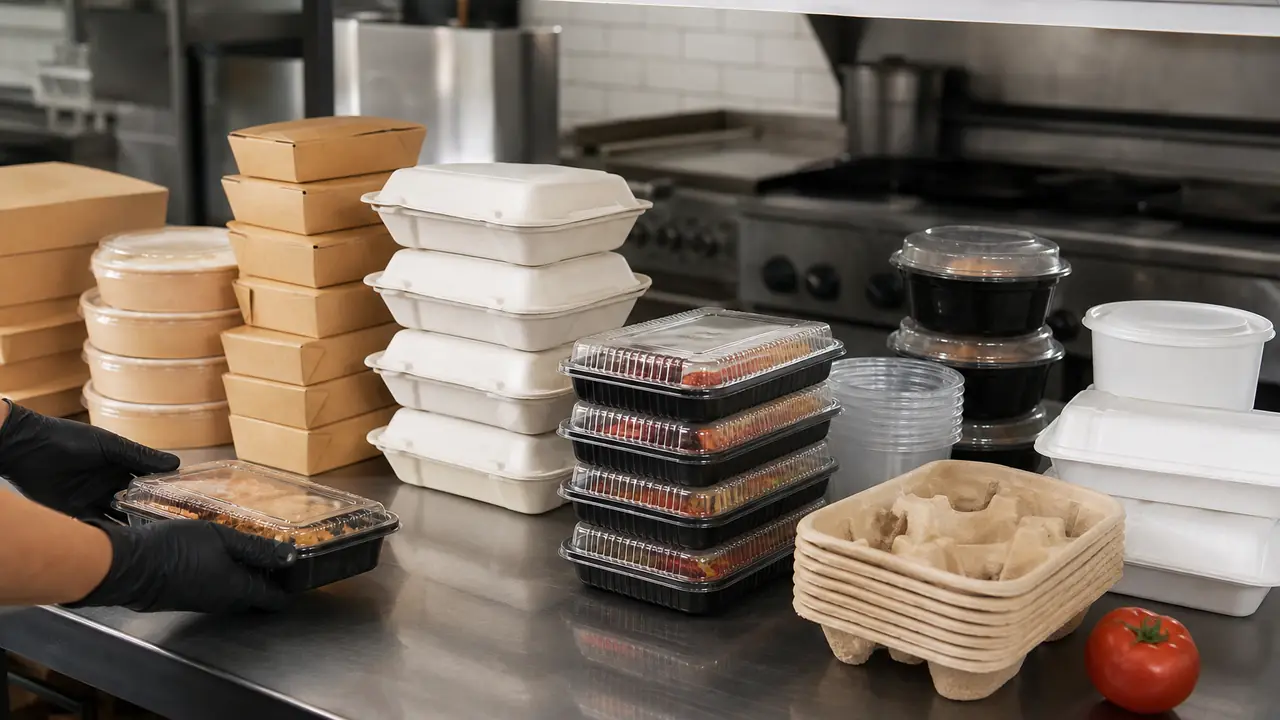
| Foodservice and projects | Heat use, stacking, continuity of supply | PP food containers, divided trays, starch-based containers, cutlery |
What every program shares
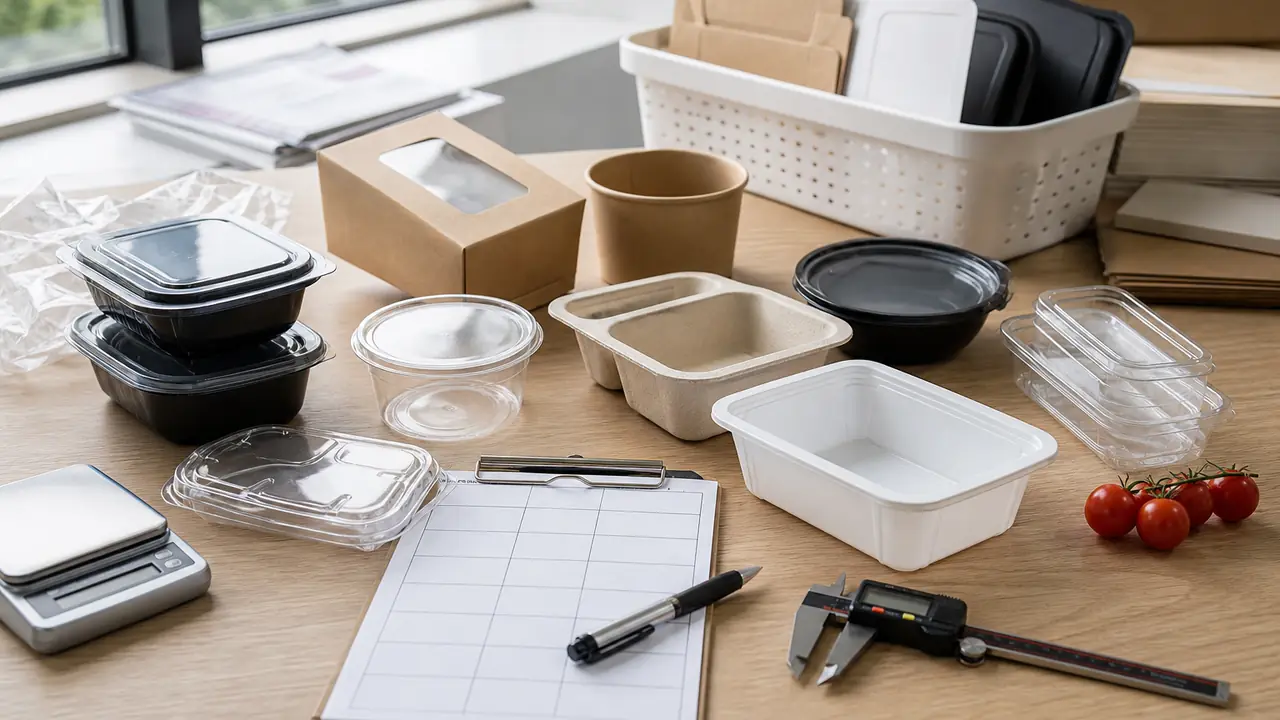
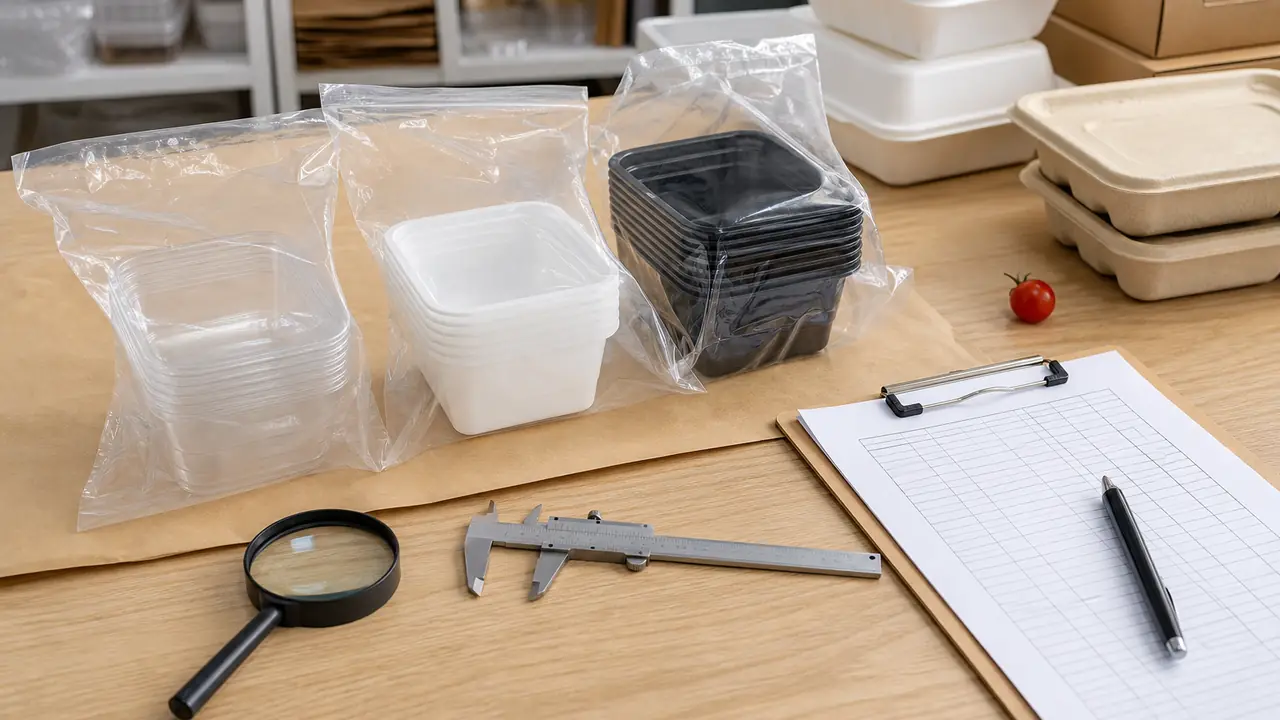
Every program starts from a cut sheet. The 750 ml PP reference box from a partner plant in Huizhou measures 170x115x51 mm and weighs 19.6 g; the three-compartment clear PP tray measures 218x188x42 mm at 1,000 ml; the kraft bakery box with a clear lid measures 190x85x35 mm. Where no partner model exists, as for vacuum containers, fridge bins or shoe boxes, the cut sheet uses a public listing size and says so. Sizes are checked against the physical sample before an order is confirmed, because a listing or a menu built on the wrong millimetre is the most common avoidable complaint.
Every program also uses the same document logic. For the United States, a supplier declaration to FDA 21 CFR 177.1520 for PP under the right conditions of use; for the European Union, a declaration to Regulation 1935/2004 and Regulation (EU) 10/2011 backed by a migration report; for China, GB 4806.7-2023. Declarations and reports are issued to partner plants or to your brand per project and verified by the desk. The compliance guide lists what to request.
Quantities and lead times
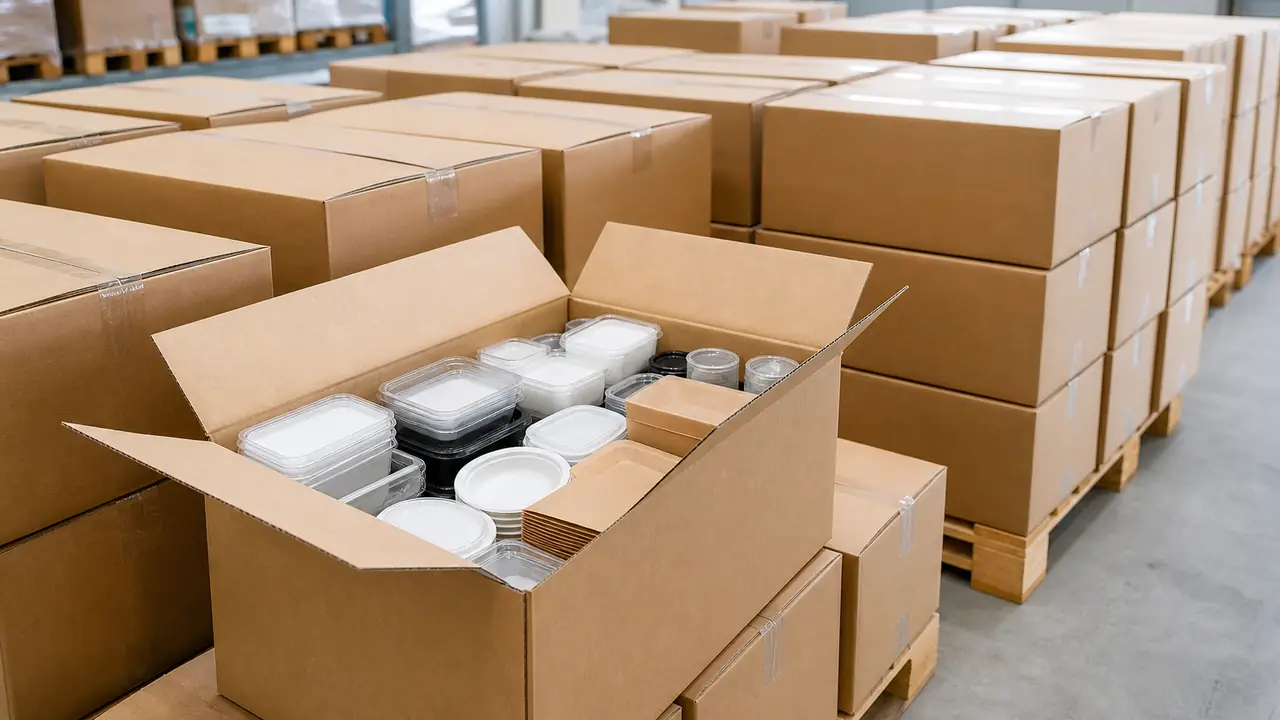
The typical reference ranges are the same across programs; what differs is where a buyer usually enters. Wholesalers and marketplace sellers often start with stock molds from 1-10 mixed cartons. Brand owners and DTC brands move to printed lids, sleeves or labels at 10,000-50,000 pieces per item, and to a new mold from 50,000-100,000 pieces. Printed paper boxes typically start at 5,000-10,000 pieces per design; storage boxes at 1,000-3,000 pieces per item, depending on size and mold. Stock samples take 3-7 working days, printed samples 7-15, and a T1 trial on a new mold about 25-45 days. Every figure is confirmed in writing for each program; see MOQ and lead time.
Checkpoints the desk applies
The test plan is agreed per order and drawn from one list: size and gram weight, lid fit and opening force, tilt and inversion with liquid, drop, freezer at -18 degrees C followed by opening, microwave heating where the supplier marks it, odor, third-party migration tests, burst and edge crush for paper boxes, print adhesion and rub, and carton stacking. A foodservice program weighs the tilt test most; a retailer weighs carton and shelf packaging; a marketplace seller weighs drop and carton compression. Results are described as they were tested, for example leak-resistant in our standard tilt test, confirmed per order. See quality control.
How to choose your program
- Pick the program that matches how the containers reach the end user.
- Read its recommended lines and reference sizes.
- Note the entry quantity and the documents your market needs.
- Send the brief with foods or items, capacities, market and target quantity.
Many buyers sit across two programs, for example a distributor that also supplies a restaurant chain. The desk then keeps one program file with both sets of checkpoints. The sourcing process explains each stage, and the quote form is the place to start.