
Why engineering comes before the quote
Most container problems are decided long before production starts. A lid that pops open in a delivery bag, a fruit box that clouds over in the chiller, a storage box that bows under a stack of eight, a printed sleeve that scuffs off in transit: each one traces back to a choice of process, material, wall section or closure that nobody wrote down. Lidwell is a sourcing desk, not a plant, and the desk's job on the engineering side is to make those choices visible and fix them in the specification, so the partner plant quotes the container the buyer actually needs.
This section is organised around the decisions a buyer has to make. Each page explains how the process or material works at parameter level, what the plant controls, what the buyer should specify, and what is checked on the sample and on each lot. We describe processes without naming machine brands, and we only quote figures that come from real reference models at partner plants or from published standards.
The two plastic processes
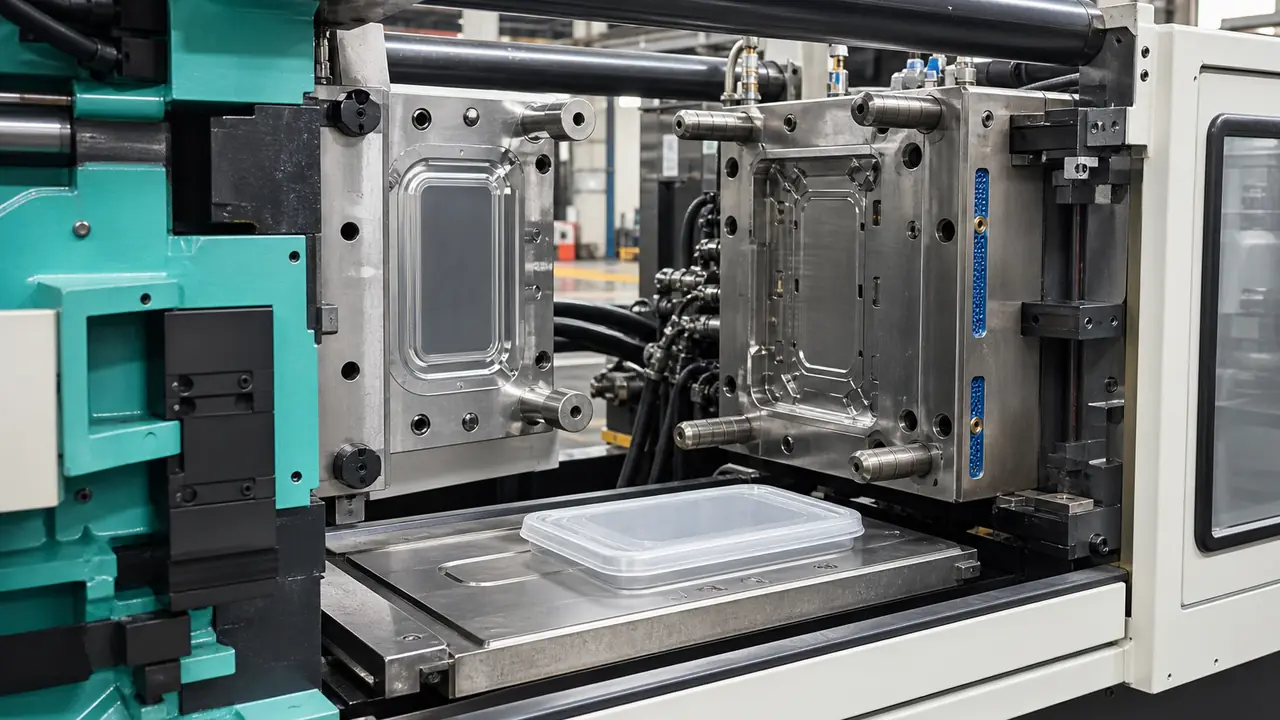
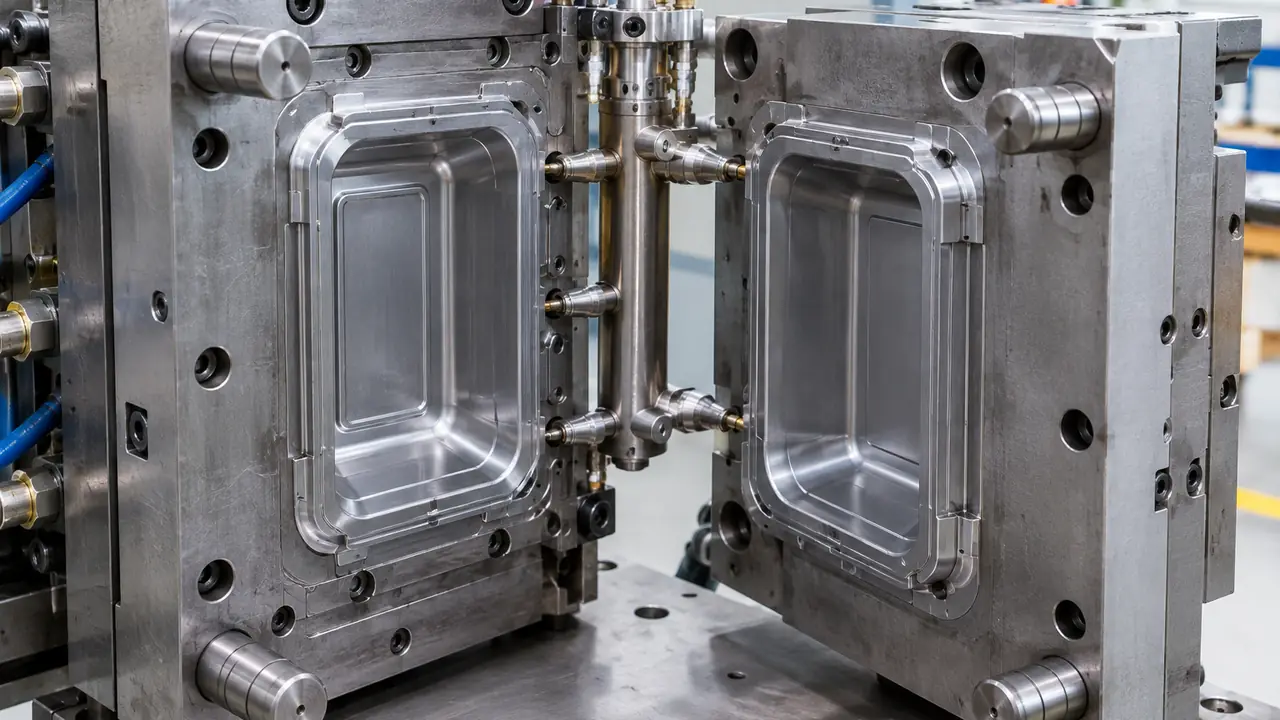
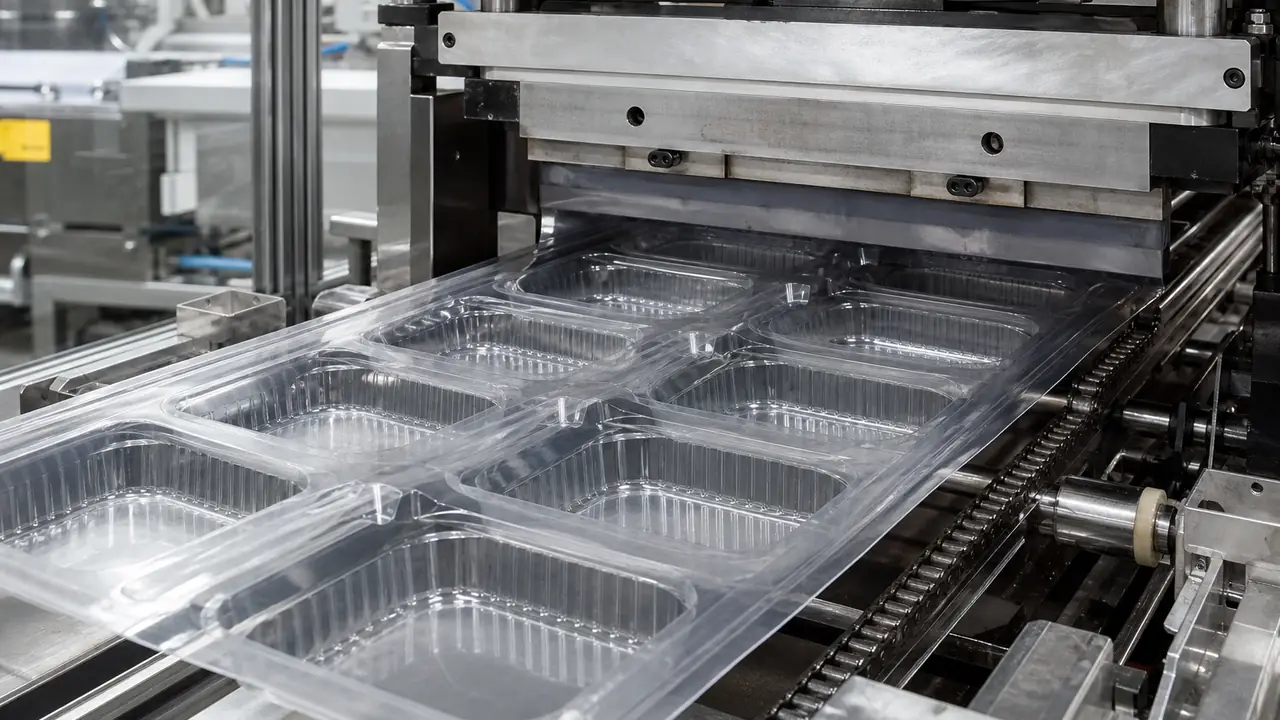
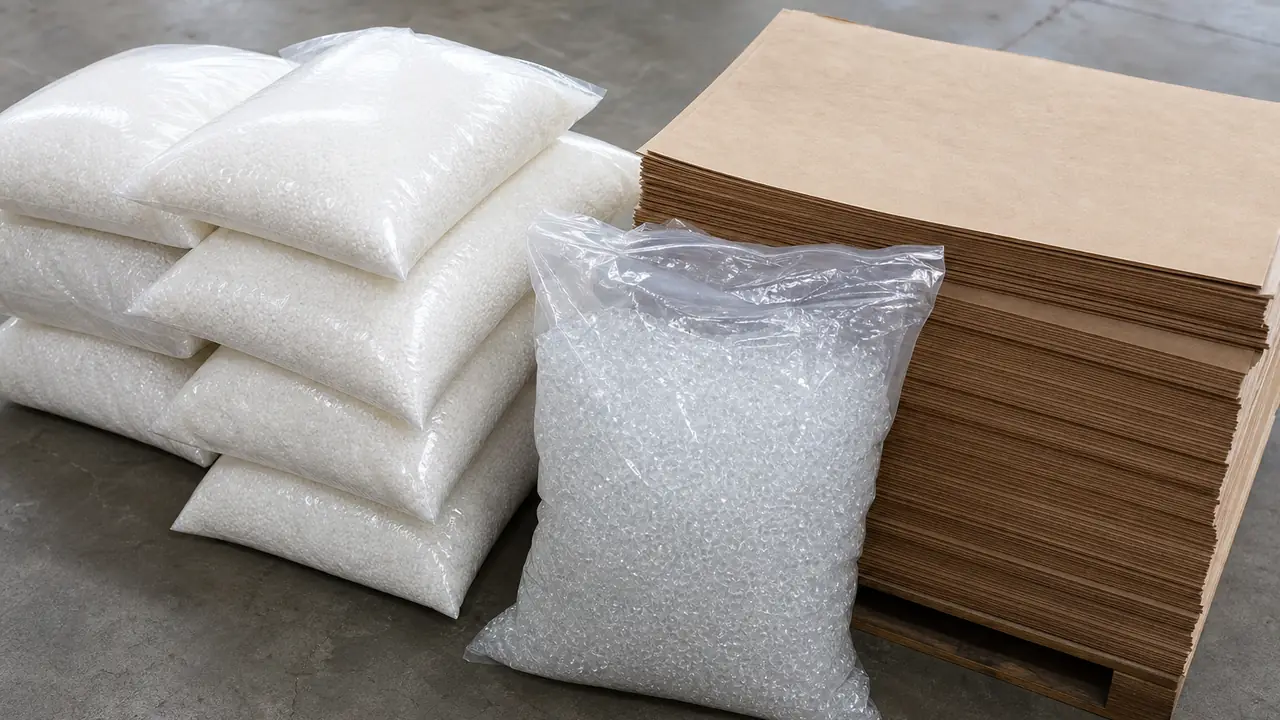
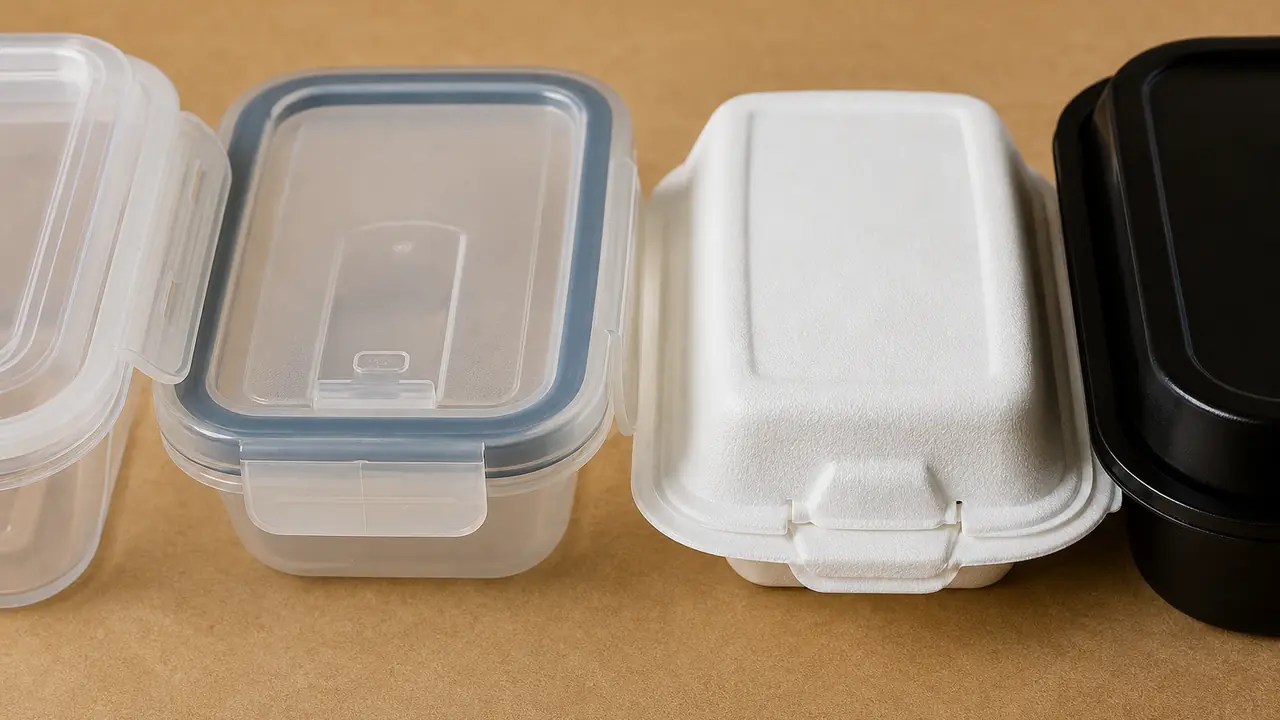
Almost every plastic container in this range is made by one of two processes. Injection molding melts resin pellets and injects them into a closed steel mold. It gives thick, even walls, sharp corners, molded hinges and threads, and parts that keep their shape through years of reuse: storage boxes, fridge bins, vacuum containers, organizers and reusable meal prep boxes. Thermoforming heats an extruded plastic sheet and forms it over a mold with vacuum or pressure, then trims the parts out of the web. It gives light, thin-walled parts that nest tightly and come off the line in high volume: takeout boxes, soup cups, clamshells, divided fruit trays and cup lids.
The gram weight on a quotation is the quickest signal of which process and wall section a price is based on. The 750 ml reference box from a partner plant in Huizhou, Guangdong, weighs 19.6 g at 170x115x51 mm; a thermoformed box of the same capacity can be lighter, and an injection molded reusable box heavier. The weight belongs on every quote, so offers can be compared like for like.
Process against product
| Process | Typical parts | Strengths | Watch points |
|---|---|---|---|
| Injection molding | Storage boxes, fridge bins, vacuum containers, organizers, reusable lids | Even walls, sharp detail, hinges and clips, long service | Mold cost and lead time, sink marks, warpage |
| Thermoforming | Takeout boxes, soup cups, clamshells, divided trays | Light, nests tightly, fast tooling changes | Thin corners, lid fit across lots, hinge cracking |
| Die-cutting and folding | Bakery boxes, gift boxes, click-lock takeout boxes | Print area, flat shipping | Board grade, crease cracking, PFAS rules for fibre |
Material follows use
The container materials page sets out the rule the whole site follows. PP, resin code 5, is used where food is hot or reheated; its melting point sits in the 160-180 degree C range given in FDA 21 CFR 177.1520. PET, code 1, gives the clearest parts and suits cold display, salads and fruit, but not hot food. PVC, code 3, appears only in non-heated packaging and storage such as clear folding boxes, gift box windows and cosmetic organizers, never as a container for hot food. Starch-based containers are usually starch blended with PP, and are described that way unless a named certification applies. Storage lines add PS, acrylic, copolyester, HDPE and ABS where the part calls for it.
Food contact, closures and print
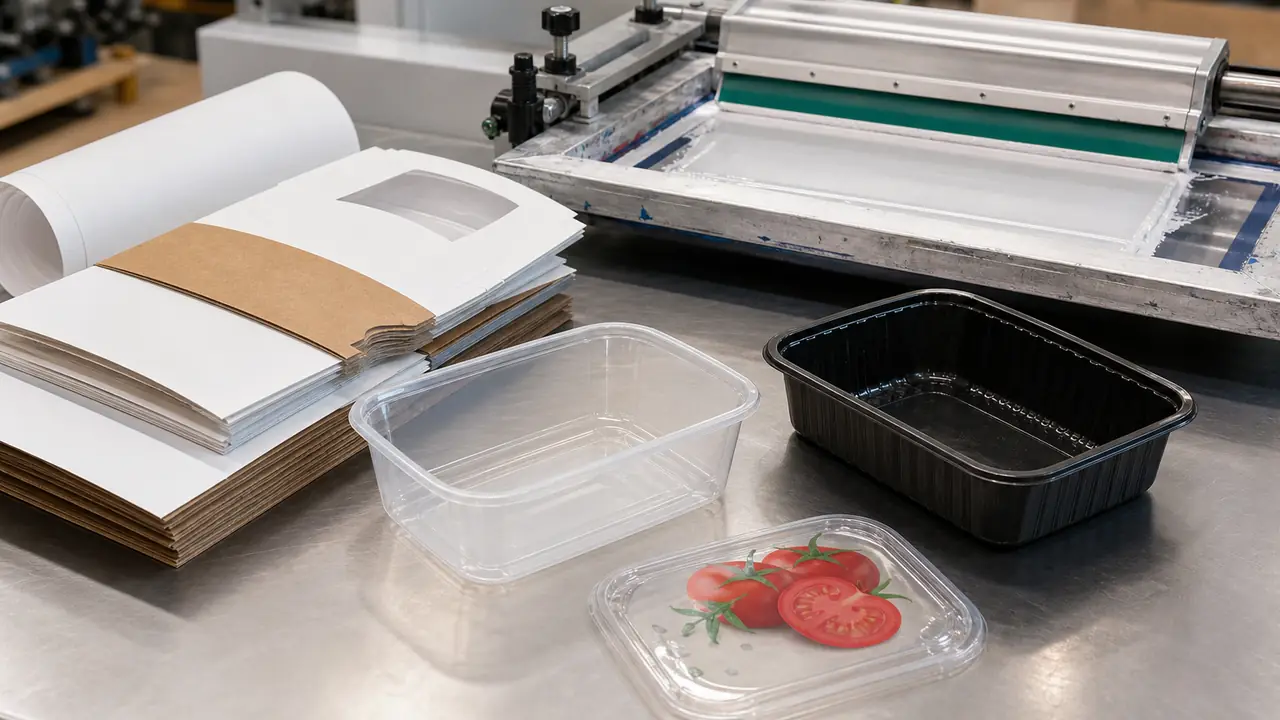
Three further topics decide whether a container is accepted by the buyer's customer. Food contact safety covers the declarations and migration tests that the US, EU and Chinese rules ask for, and why a resin declaration alone is not enough for a finished container. Lids and seals covers rim profiles, snap fits, gaskets and valves, and the tilt, inversion and freezer tests that back a leak-resistant description. Printing and labeling covers offset print on lids and sleeves, in-mold labels, embossing on the mold, and paper print from the Longgang cluster near Wenzhou.
Where the tooling comes from
Molds for household plastics in China are concentrated in Huangyan, in Taizhou, Zhejiang. Zhejiang press reporting in 2025 counted 142 mold makers above the statutory size threshold in Huangyan, and put the district's share of national output at about 30 percent of injection molds, 40 percent of blow molds and 80 percent of extrusion molds. Taizhou itself counted more than 12,000 plastics producers in 2018. For a custom container, the desk shortlists a mold maker and a molding plant together, so the mold is built for the press it will run on.
- Design: part drawing, wall section, draft, gate and parting line agreed in writing.
- Steel: mold steel, cavity count and cooling layout chosen for the volume.
- T1 trial: first shots from the sample mold or production mold, measured and tested.
- Golden sample: the approved part, signed by the buyer and kept as the reference for every lot.
A first order with a new mold typically takes 45-60 days including the mold, and new molds usually start from 50,000-100,000 pieces per item, confirmed in writing for each program on the MOQ and lead time page. Send the drawing or a reference sample through the quote form, and the desk returns the process, material and test plan it recommends.