
One program, the right cluster for each part
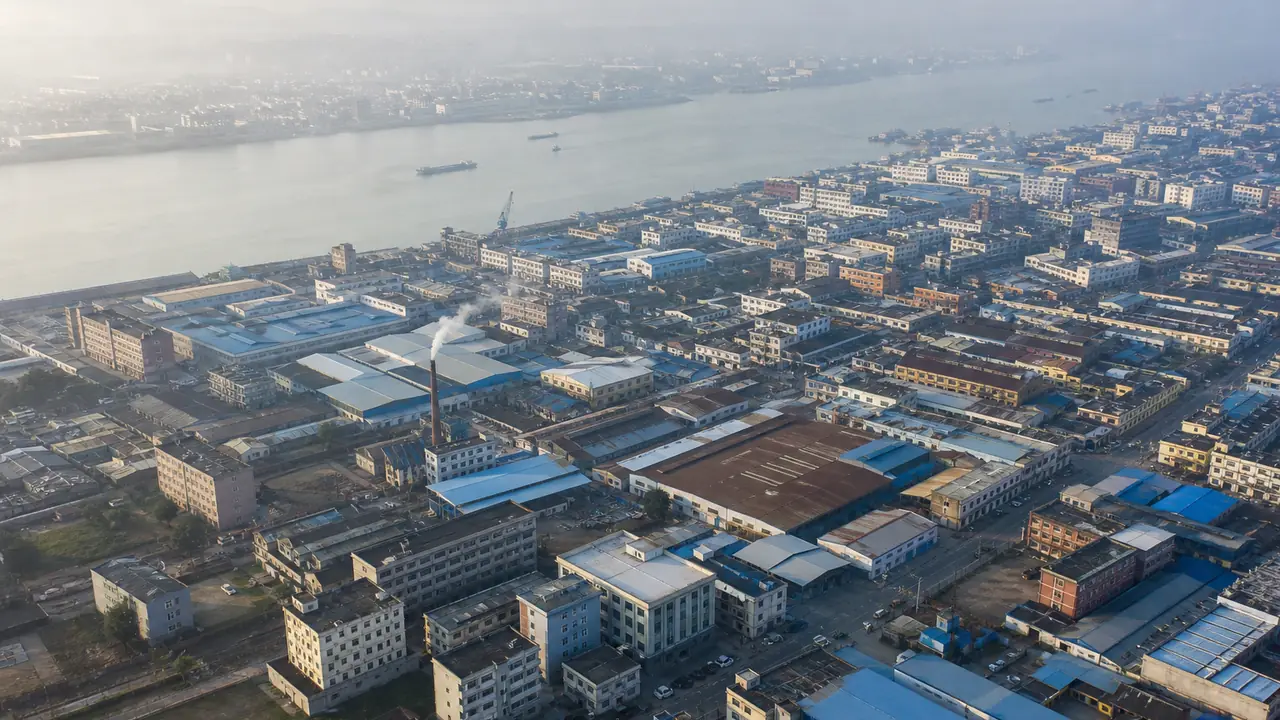
China is the largest exporter of plastic housewares. OEC trade data puts world trade in HS 3924 at about 25.6 billion US dollars in 2024, with China exporting about 15.4 billion, roughly 60 percent of the total. That volume is not spread evenly across the country. It comes from a handful of specialised clusters, each built around one material and one process: thermoformed and injection molded PP takeout ware in Guangdong, household plastics, storage boxes and molds in Taizhou, resin trading in Ningbo Yuyao, paper boxes and printing in Longgang near Wenzhou.
The way Lidwell works follows from that map. A container program is the right material, the right process and the right cluster. A takeout box goes to a thermoforming plant in Guangdong, a fridge bin to an injection molding plant in Taizhou, a printed bakery box to a paper packaging plant in Longgang. The desk keeps all of them in one program file, with one specification format, one document checklist and one inspection plan. This page names cities and districts only; partner plant names stay in the program file.
The clusters at a glance
| Cluster | Role in this range | Figure (source, year) |
|---|---|---|
| Taizhou, Zhejiang (Huangyan, Luqiao) | Household plastics, storage boxes, food storage containers, fridge bins, molds | More than 12,000 plastics producers, output above 60 billion yuan, over 250,000 workers (2018 data, China Trade Remedies Information, 2019) |
| Huangyan, Taizhou | Mold making for injection, blow and extrusion | 142 mold makers above designated size; about 30, 40 and 80 percent of national injection, blow and extrusion mold output (Zhejiang News, June 2025) |
| Yuyao, Ningbo (China Plastics City) | Resin and compound trading, modified materials | More than 3,000 resident firms; 78.5 billion yuan and 7.15 million tonnes traded in 2023 (Zhejiang News and CNR) |
| Guangdong (Huizhou Huiyang, Foshan Nanhai, Dongguan, Jiangmen, Guangzhou) | PP takeout boxes, thermoformed cups and bowls, soup cups | Location of partner plants per supplier documents; plant distribution per public sourcing platform listings (inferred) |
| Longgang, Wenzhou (China Printing City) | Paper boxes, folding gift boxes, click-lock boxes, print | Printing and packaging output grew from over 11 billion to about 20 billion yuan, more than 60 percent of local GDP (Xinhua, September 2024); 894 licensed printing firms, about 150,000 workers (2024) |
| Henan (Xinmi and nearby) | Paper bowls, congee buckets, paper click-lock boxes | Location of a partner plant only |
Taizhou and Huangyan: storage boxes and the molds behind them
Taizhou is where most household plastics on a home goods shelf begin. Local reporting describes the city's plastic daily-use goods as a large share of the Chinese market, with figures between 60 and 70 percent depending on the source, and press coverage in 2024 noted more than ten thousand plastic products firms and strong growth in storage categories. Huangyan, a district of Taizhou, is known as a mold making town, which matters for any buyer planning a custom mold: tool shops, hot runner suppliers and injection plants sit close together, so sample mold changes travel fast. Storage boxes, fridge bins, vacuum containers and collapsible boxes are routed here. See injection molding.
Ningbo Yuyao: the resin market
Yuyao's China Plastics City is a trading hub rather than a container cluster. It matters because PP, PET, PS and compounds are priced and traded there, and plants across Zhejiang buy from it. For a buyer, the practical point is traceability: the resin grade named on the specification should match the grade on the supplier declaration, and the desk asks for the resin documents before a mass production run.
Guangdong: PP takeout ware and thermoformed cups
The Pearl River Delta carries the volume of disposable food packaging. A partner plant in Huizhou Huiyang makes rectangular boxes, round tubs and bowls, including the 750 ml reference box at 170x115x51 mm and 19.6 g, with the resin confirmed as PP per supplier declaration; a partner plant in Foshan Nanhai thermoforms PP takeout boxes packed 300 sets per carton. Public sourcing listings also place many PP container plants in Dongguan, Guangzhou, Jiangmen and Zhuhai, which we read as the wider cluster. See PP food containers.
Wenzhou Longgang: paper boxes and print
Longgang received the China Printing City title in 2002 and is also known as a gift city. Its plants supply kraft and white-card bakery boxes, folding gift boxes with PET or PVC windows, click-lock takeout boxes and printed sleeves for plastic lines. The desk's operating office is in Wenzhou, which keeps print approvals close; it is an office, not a production site. See printing and labeling.
Henan: paper bowls and buckets
One partner plant for paper bowls, congee buckets and paper click-lock boxes is in Henan, around Xinmi. It is used where a program needs fibre bowls alongside paper boxes from Longgang; for the US market, PFAS rules on fibre packaging are checked per state.
How the desk uses the map
A mixed program, for example PP takeout boxes, printed paper bags and a fridge bin gift set, may touch three clusters. The desk shortlists plants per line, runs a factory audit, aligns specifications and consolidates cartons for one shipment. Typical quantities and timings are on MOQ and lead time; send your line list through the quote form.